First Timer in Hatay? Here's How the Social Scene Actually Works
Let's be honest — most Americans planning a Turkey trip are thinking Istanbul, maybe Cappadocia, possibly the Aegean coast. Hatay rarely makes the shortlist. And that's exactly why those who do end up here tend to come back. This southern province sits right on the Syrian border, and that geographic reality has shaped everything from the food to the way people greet strangers. If you're the kind of traveler who prefers real encounters over tourist-polished experiences, Hatay is going to surprise you.
Why Hatay Hits Different Compared to the Rest of Turkey
Turkey is a big, diverse country, but Hatay occupies a genuinely unique corner of it. Historically known as Antioch — yes, the same Antioch mentioned in the Bible — this region has been home to Greeks, Romans, Arabs, Armenians, Crusaders, and Ottomans at various points. That layered history isn't just something you read on a museum placard. It's alive in the architecture of Antakya's old city, in the Arabic dialect still spoken in certain neighborhoods, and in the way locals approach hospitality.
Hatay's population is notably diverse by Turkish standards. You'll find Alawite Muslims, Sunni Muslims, Arab Christians, and Turkish communities all sharing the same streets. That kind of pluralism tends to produce a more relaxed, open social atmosphere than you might encounter in more homogeneous parts of the country. For American visitors — especially those from major metros where diversity is the norm — this vibe will feel surprisingly familiar.
The Hospitality Thing Is Real, But There Are Rules
You've probably heard that Turkish people are hospitable. In Hatay, that reputation is taken to another level entirely. Locals here have a saying that loosely translates to a guest is a gift from God, and they mean it practically. Don't be thrown off if a shopkeeper invites you in for tea before you've even shown interest in buying anything. Refusing repeatedly can come across as cold, so the move is to accept graciously, sit for a few minutes, and enjoy the interaction.
That said, hospitality here isn't unconditional or naive. Locals are warm, but they're also perceptive. Coming in with a loud, demanding energy — the stereotypical American tourist approach — will close doors faster than anything. Slow down, make eye contact, use a few words of Turkish or even Arabic if you can manage it, and you'll find people genuinely delighted to help you navigate the city.
For those visiting Hatay with companionship in mind — whether that's finding a local guide, a dinner partner, or connecting through platforms like EscortHatay — understanding this social baseline matters. Connections here are built on mutual respect and a certain unhurried quality. Transactions that feel rushed or transactional tend to fall flat. Ease into it.
Navigating Mixed-Gender Social Spaces
Hatay is considerably more liberal than many parts of southeastern Turkey. You'll see men and women socializing freely in cafés, restaurants, and public spaces. Women travelers — including solo American women — generally report feeling comfortable here, though basic awareness of your surroundings is always smart regardless of where you are in the world.
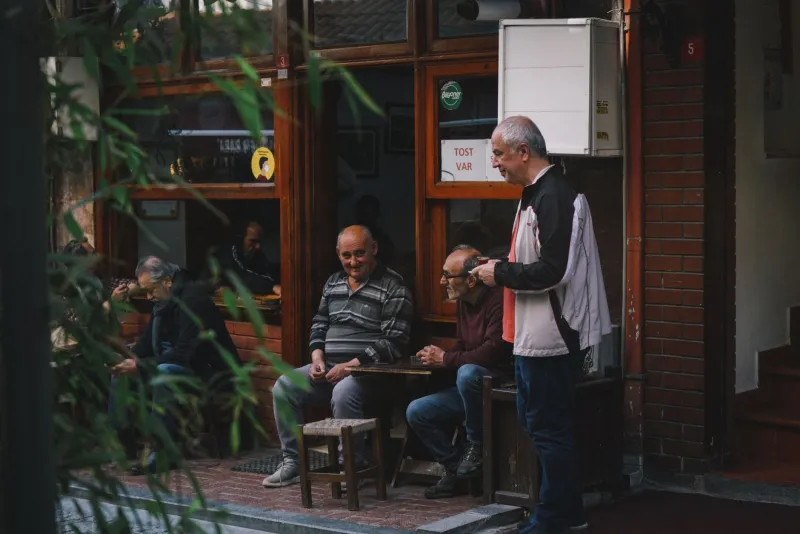
That said, there are still neighborhood-level differences. The older, more conservative residential areas operate by different unspoken codes than the city center or tourist-facing districts. Reading the room matters. If you wander into a traditional neighborhood coffee house that's clearly an all-male space, you're not in danger — but you might want to keep moving.
For men visiting Hatay and looking to connect with local women — whether casually or through a service directory — the expectation of basic courtesy and directness (without aggression) goes a long way. Hatay women, whether professional companions or otherwise, tend to respond well to confidence paired with genuine respect.
Food as Social Currency
No guide to Hatay's social culture is complete without talking about the food, because here, sharing a meal is genuinely the primary social ritual. Hatay cuisine is widely considered the best in Turkey — a bold claim in a country with incredible regional cooking, but one that locals will defend passionately and that most visitors end up agreeing with.
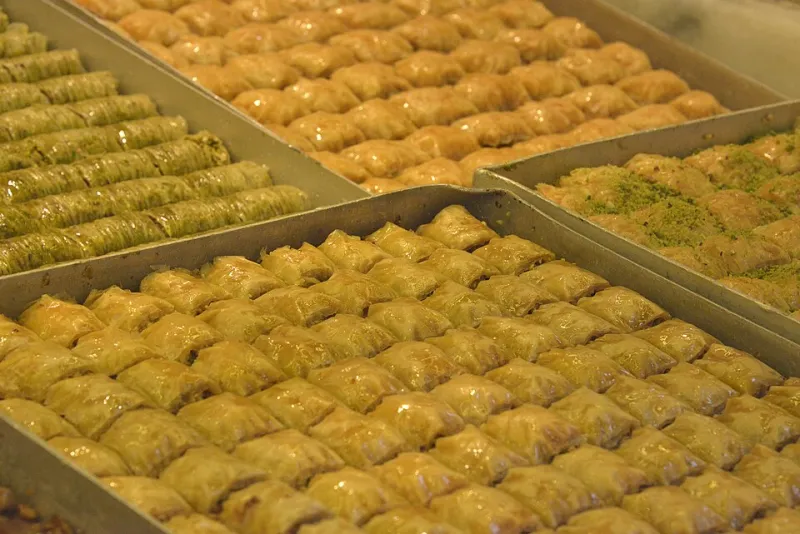
The cuisine draws heavily from Syrian and Levantine traditions. Think muhammara (a walnut and red pepper spread), künefeye (a cheese-filled pastry soaked in syrup), and a dizzying variety of mezze that bear almost no resemblance to what you'd find at a generic Turkish restaurant back in the States. Sharing food is a way of signaling trust and goodwill. If someone invites you to eat, say yes.
Practical Notes for Americans Specifically
A few things that tend to trip up US visitors specifically:
- Tipping culture is different here. In the US, 20% is basically mandatory. In Hatay, rounding up or leaving a modest tip is appreciated but not expected in the same way.
- Time moves slower — not in a frustrating way, but in a way that rewards patience. If you have a meeting or appointment set for 3pm, plan for 3:30.
- English proficiency varies widely. In tourist areas and with younger locals, English is usually workable. In older neighborhoods, you'll want Google Translate or a phrasebook.
- Dress codes aren't as strict as in some other parts of Turkey, but dressing modestly when visiting mosques or more traditional areas is basic respect.
Hatay rewards the traveler who shows up curious and unhurried. It's a place that takes a little time to open up — but once it does, you'll understand why so many visitors end up planning a return trip before they've even left.