Dollars, Lira, and Everything In Between: Your Financial Playbook for Booking Companions in Turkey
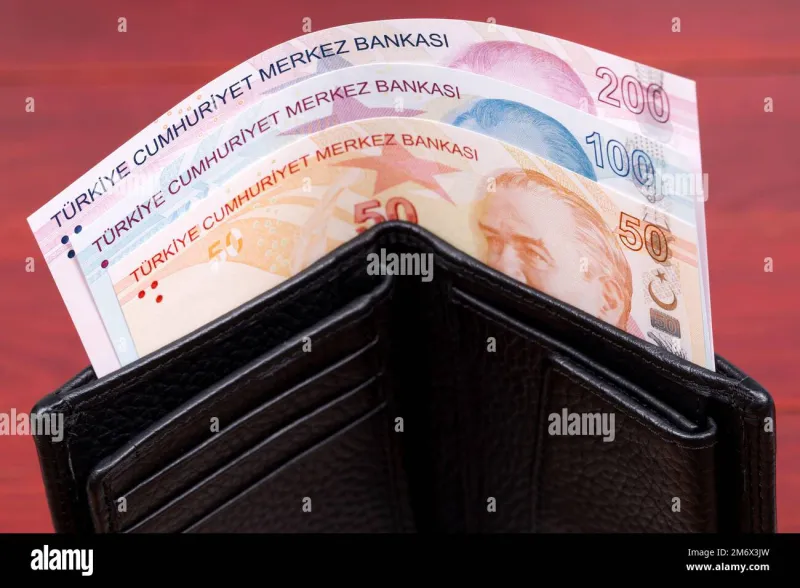
Photo: Turkish lira currency exchange money travel wallet, via c8.alamy.com
Let's be real — most Americans don't think twice about swiping a card back home. But the moment you land in Turkey and start navigating a new currency, unfamiliar pricing norms, and a local economy that operates on its own logic, things get more complicated fast. Add adult companionship services to that equation, and financial missteps can cost you more than just money.
This guide is here to cut through the confusion. Whether you're visiting Hatay for the first time or you're a seasoned traveler looking to tighten up your financial habits, here's what you need to know.
Understanding the Turkish Lira — And Why the Rate Changes Everything
The Turkish Lira (TRY) has had a rough few years. Inflation has been volatile, and the exchange rate between the US Dollar and the Lira has shifted dramatically over time. As of recent trends, Americans are getting considerably more Lira per dollar than they were even two or three years ago — which means Turkey is, frankly, an incredible value destination for US visitors right now.
Before you travel, check the current rate on a reliable source like XE.com or Google Finance. Don't rely on airport kiosks or hotel front desks to give you a fair conversion — they almost always skim a percentage off the top. Your best bet is to either withdraw Lira from a local ATM using a fee-friendly US bank card (Charles Schwab's debit card, for example, reimburses international ATM fees) or exchange cash at a licensed currency exchange office called a döviz bürosu.
When it comes to companion services specifically, pricing is almost always quoted in Turkish Lira. Knowing the current rate means you can quickly calculate whether a listed rate is reasonable or whether something feels off.
Cash Is Still King — Here's Why
In the adult services world, cash transactions remain the dominant norm in Turkey — and there are good reasons for that on both sides of the transaction. For clients, paying in cash keeps your booking off your bank statement entirely. There's no merchant descriptor to explain, no potential fraud flag from your card issuer, and no digital trail connecting you to a specific service.
For providers, cash is immediate and reliable. It avoids the awkwardness of payment apps potentially flagging or restricting transactions related to adult services — a problem that's become increasingly common on platforms like Venmo and PayPal even in the US.
Practically speaking, carry small and medium denominations. Showing up with a 500 Lira note for a smaller transaction can create unnecessary friction. Plan ahead, know roughly what you're spending, and have the right amount ready.
Digital Payments: What Works, What Doesn't, and What to Avoid
Some providers in Hatay — particularly those with more established or tech-forward operations — may accept digital payments. Turkish banking apps like Papara are popular locally and function somewhat like a prepaid debit system. International options like Wise (formerly TransferWise) can also work in certain contexts, allowing you to hold Lira in a digital wallet without the fees of traditional banks.
What you want to avoid: using your primary credit card directly. Beyond the paper trail, some US card issuers have policies that can result in declined transactions or even temporary account freezes when they detect charges in certain international categories. It's a headache you don't need.
Bitcoin and other crypto? Technically possible in some cases, but rare enough in Hatay's companion market that you shouldn't count on it. If a listing specifically advertises crypto as a payment option, that's a bonus — not something to expect as standard.
Tipping Culture in Turkey — What Americans Usually Get Wrong
Americans are big tippers. It's practically hardwired into us. In Turkey, tipping norms are more nuanced. In restaurants, rounding up or leaving 10% is appreciated but not obligatory. In service industries generally, tips are welcomed but not always expected in the same way they are back home.
In the context of companion services, tipping is discretionary but can be a meaningful gesture — particularly if you had a genuinely good experience or if the provider went above and beyond what was agreed. A 10–15% tip on top of the agreed rate is considered generous without being excessive. Don't feel pressured to tip if the experience didn't meet expectations, but do consider it if things went well. It builds goodwill and, if you're planning to return, it's remembered.
Avoiding Financial Scams: The Red Flags to Watch
This is the part most guides dance around. Let's not.
Scams targeting clients of adult services are a real thing everywhere — and Hatay is no exception. The most common scheme is the bait-and-switch: a listing that quotes one price digitally, then presents a dramatically higher rate in person. Another variation involves upfront deposits requested before any meeting takes place.
Hard rule: never send money in advance to someone you haven't verified. Legitimate providers operating through established directories don't need a deposit wired to a random account before you've even met. If someone is pressuring you for upfront payment via an untraceable method — especially a one-time payment app or wire transfer — treat it as a scam and walk away.
Also be cautious of anyone quoting prices in USD rather than Lira. While it can occasionally be legitimate (some providers catering specifically to international clients do this), it can also be a tactic to obscure value and charge premium rates that don't reflect the local market.
Setting a Budget That Makes Sense
Hatay is not Istanbul. Prices for companionship services here reflect a regional economy, not a major metropolitan hub, which generally means rates are more accessible than what you might find in larger Turkish cities. Do some browsing on EscortHatay before your trip to calibrate your expectations against current listings.
Factor in all your costs: accommodation, food, transport, and your social plans. Keeping your companion budget as a specific line item — rather than dipping into general travel funds — helps you stay in control and avoid the unpleasant math of overspending on a trip.
Financial confidence isn't just about having money. It's about knowing how to use it wisely in an unfamiliar environment. Get that part right, and everything else gets a whole lot smoother.